Martial arts for beginners: how to pick a discipline and a gym
A plain-English guide to choosing between BJJ, boxing, Muay Thai, kickboxing, judo, karate and MMA as an adult beginner in the UK — and how to judge a gym on your trial class. Uses live listing data from 1,680 martial arts clubs across Britain.
· Studiomaps-redaktionen

Walking into a martial arts gym for the first time is the hard part. Choosing which one to walk into is the part people overthink — and it is genuinely easier than it looks, because most beginners are happier with the club than with the style, and almost every UK club will let you try before you pay.
Studiomaps currently lists 1,680 martial arts venues across the UK, of which 1,306 offer boxing, 468 Brazilian jiu-jitsu, 411 kickboxing and 276 Muay Thai. That spread tells you something useful straight away: whatever you pick, there is very likely a club within reach.
Start with what you actually want out of it
Forget "which martial art is best". Ask what you want on a Tuesday evening.
If you want to get fit and hit things, boxing is the easiest door. It is by far the widest-available discipline in Britain, the technique ladder is short enough to feel competent in a few weeks, and almost every town has a club. Traditional amateur clubs are often the best value going: Pat Benson Boxing Academy in Billesley, Birmingham — a club producing champions since 1931 — lists adult single sessions at £10 and a Gold monthly membership with four classes a week at £65.50, with junior sessions at £7. That is community-club pricing, not boutique pricing, and it is common across the 25 boxing gyms we list in Birmingham and the 33 martial arts venues in Glasgow.
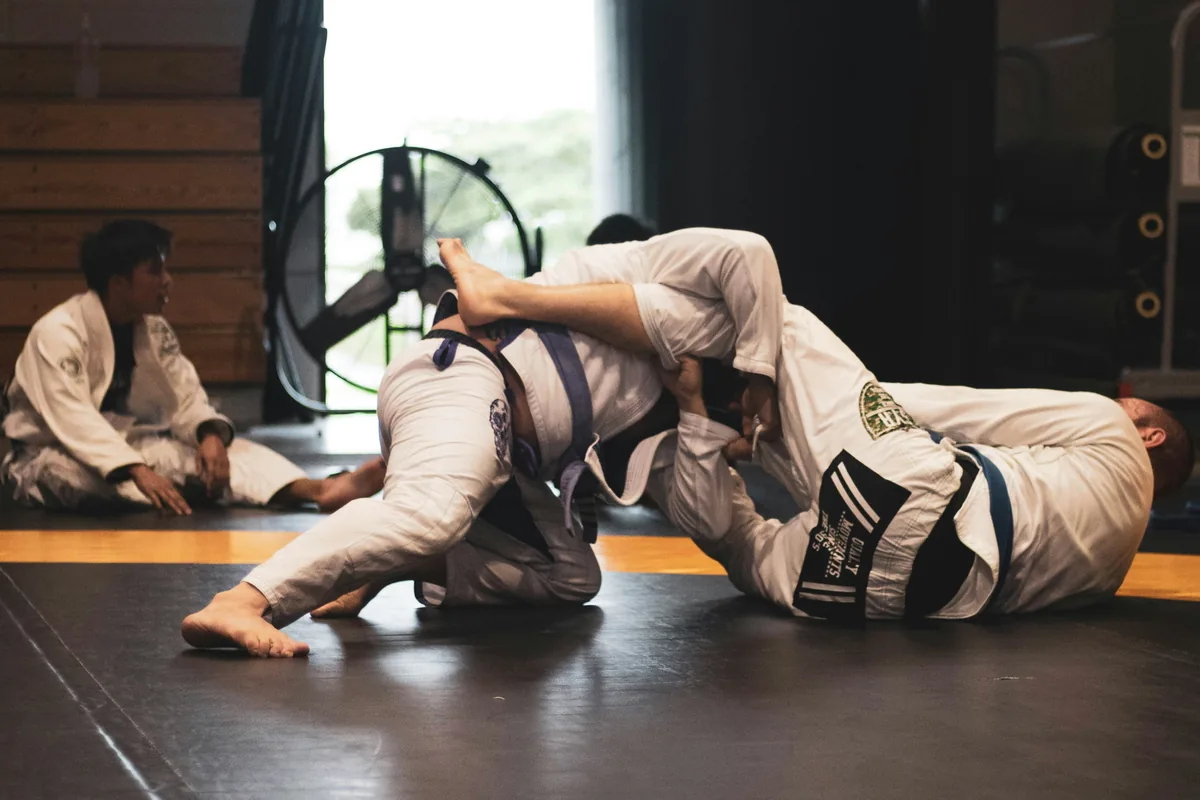
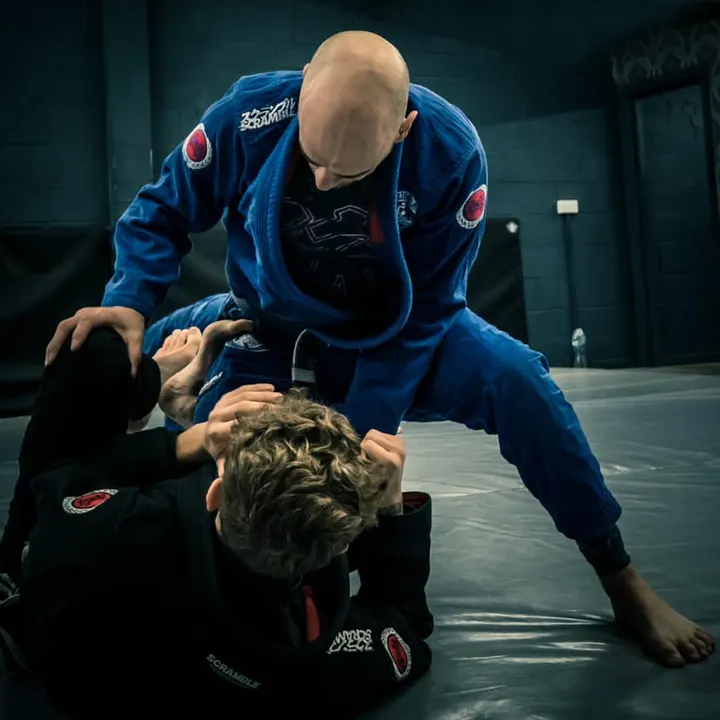
If you want a puzzle rather than a punch-up, Brazilian jiu-jitsu is the one. There is no striking, so the first-session intimidation is lower than people expect, and the grappling problem-solving is what keeps people for a decade. BJJ clubs tend to run explicit beginner streams rather than dropping you into the main class: Factory BJJ in the Four Heatons, Stockport has run a beginner-friendly five-session intro course since 2008, with the gi (uniform) included. CVA Jiu-Jitsu in Craigmillar, Edinburgh runs a structured Foundations → Core → Mastery pathway and prices the six-week Beginner Block at £99, with unlimited Gold membership after that at £75 a month.
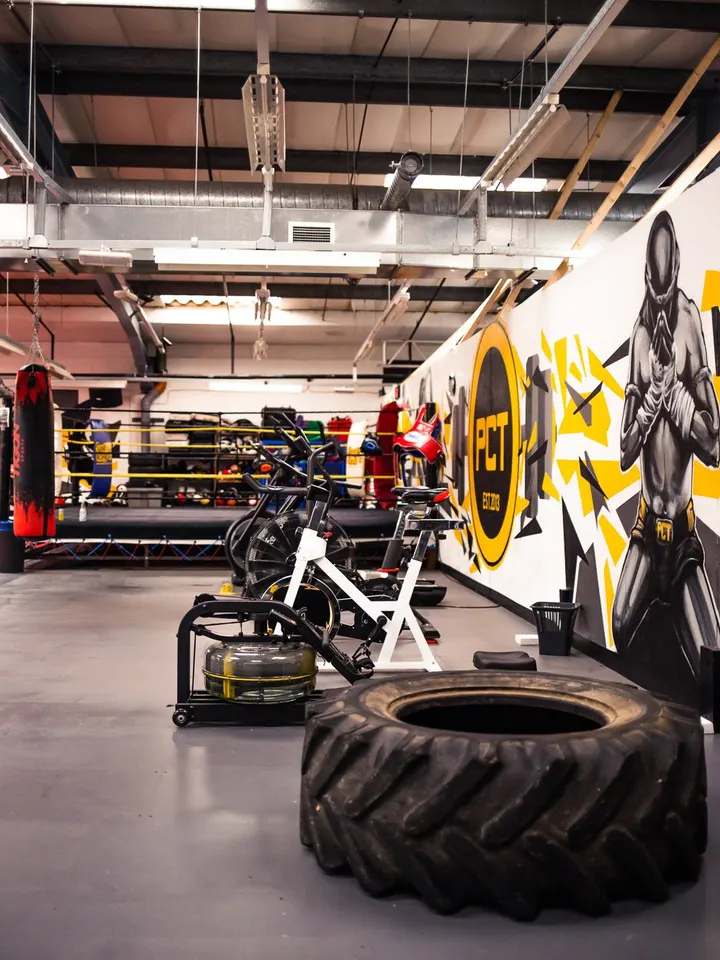
If you want the full striking toolkit, Muay Thai and kickboxing add kicks, knees and elbows. They are harder on the shins early on and a little more technical than boxing, but they scale beautifully. Personal Combat Training in Montpelier, Bristol teaches Muay Thai, kickboxing and K1 Dutch-style alongside a boxing ring, weights and a sauna, with a Bronze Beginners membership at £80 a month and a student/NHS rate at £68. In Birmingham, The Eagle Kickboxing Academy in the Jewellery Quarter runs K1 and Muay Thai six days a week under a former national K-1 coach, from £55 a month for two sessions a week. If you are genuinely torn between the two striking arts, our boxing vs kickboxing guide breaks the differences down properly.
If you want tradition, gradings and a syllabus, karate, taekwondo and judo give you a belt system, a formal etiquette and clear milestones. They are also the disciplines most likely to have a strong children's programme attached, which matters if you want the whole family training in one building.
MMA is not a beginner's starting point — it is the combination of the above. Most people who end up doing MMA arrive via BJJ or Muay Thai. Plenty of gyms teach all of it under one roof: Fightzone London in East London runs BJJ, no-gi, Muay Thai, boxing, MMA, wrestling and strength classes from the same timetable, at £79 a month for eight classes or £110 unlimited, with drop-ins at £20.
Use the trial class — properly
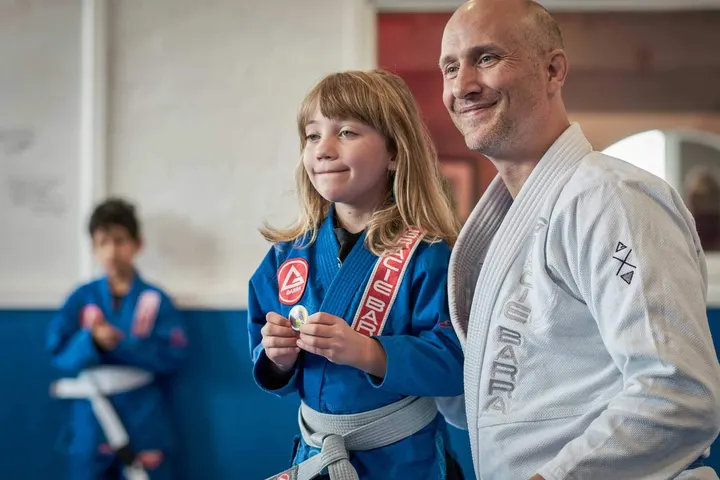
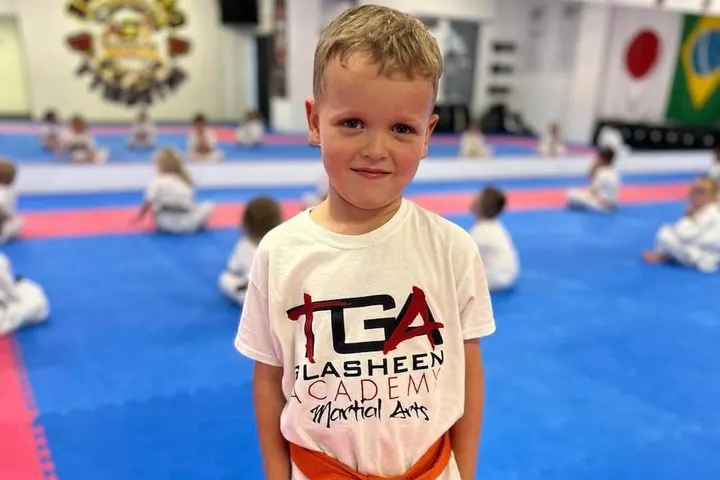
The single most useful habit for a beginner is treating the first class as an audition of the gym, not of you. UK clubs make this easy. Paragon in Shoreditch gives newcomers a free trial class and then funnels them into a structured beginner course (£150 for six weeks, £200 for eight) rather than the open class. Gracie Barra Leeds offers free trial sessions and runs dedicated women's BJJ and kids' programmes from age three. TGA Martial Arts in Cheshire gives a free trial across every programme — kids' martial arts, adults' BJJ, women's kickboxing — with a free uniform on enrolment. And EK Boxing Academy near Glasgow, family-run since 2016, splits its timetable into adults, juniors, kids and women-only sessions so nobody is stuck in the wrong room.
What to look for while you are there: does a coach introduce themselves and find out it is your first session? Is there a beginners' line or fundamentals class, or are you expected to keep up? How is sparring handled — is it optional, controlled, and clearly signposted as something you work up to rather than into on week one? Any club that puts a first-timer into hard sparring is telling you everything you need to know. Our guide to choosing a fitness studio covers the contract and trial-period questions that apply to any membership.
Many UK clubs list a first-timer offer directly on Studiomaps — free tasters, intro blocks, discounted first months. You can browse the current crop on our offers page and book a couple in the same week to compare.
Kit, cost and gradings
Do not buy anything before your first session. Almost every gym lends gloves and pads for a trial, and some, like Factory BJJ and TGA, bundle the uniform into the beginner package.
After that, the kit list is short and discipline-specific. Boxing and kickboxing: wraps, 14–16oz gloves, gumshield, shin pads if you are kicking. BJJ: a gi, or rash guard and shorts for no-gi. Karate, judo and taekwondo: the club's own uniform, usually bought through them.
On cost, the realistic UK band for adult club membership is roughly £55–£125 a month depending on how many sessions a week you want and how much the venue offers beyond the mats. Amateur boxing clubs sit at the bottom. Full-facility academies sit at the top — Gracie Barra Leeds charges £125 a month for unlimited BJJ plus private gym, sauna and ice bath. Pay-as-you-go drop-ins typically run £10–£20, which is the sensible way to train while you are still deciding.
Gradings are an extra you should ask about upfront: belt tests usually carry a fee, and in traditional arts they come round two or three times a year. It is not a hidden cost so much as an unmentioned one.
Finding a club near you
Proximity beats prestige. The best gym in Britain is worthless if it is a forty-minute journey you will stop making in March. Start with what is genuinely on your route home: there are 297 martial arts venues listed in London alone. If you already know the discipline, go straight to the category — BJJ in Leeds, BJJ in Manchester or kickboxing in Bristol — and book two trials in one week. The choice usually makes itself once you have stood in both rooms.