Calisthenics for beginners — and where to train it in the UK
What calisthenics actually is, how it differs from a normal gym session, and where in the UK to find dedicated calisthenics coaching.
· Studiomaps-redaktionen
<nav>Guides → Calisthenics for beginners</nav>
Calisthenics is bodyweight training built around a small set of core movements — pull-ups, push-ups, dips, squats and their harder variations — progressed until you can do things like a muscle-up or a human flag. It's the opposite of a machine-based gym session: your own bodyweight is the only resistance, and progress comes from mastering harder positions rather than adding plates. We count 97 studios and gyms in the UK that list calisthenics specifically in their programming.
What a calisthenics session actually looks like
A typical class or open-gym session works through a handful of stations — pull-up bars, parallettes, rings, dip bars — with coaching focused on strict form before you're allowed to add momentum or assistance bands. Compared with CrossFit, which mixes weighted lifts with conditioning, calisthenics strips the barbell out entirely and treats your own bodyweight as the only variable that matters. Compared with a standard gym floor, the equipment is simpler but the skill ceiling is much higher — a strict muscle-up takes most people months of dedicated progressions to earn.
Where to train calisthenics in the UK
- Bath: CaliUnity Gym is a calisthenics-focused CIC (not-for-profit) with expert coaching and over 200 active members — rated #1 on Google in the city, with 200+ five-star reviews.
- Edinburgh: Primal Gym blends adult gymnastics, calisthenics, functional fitness and mobility work in one programme, aimed at making bodyweight skills accessible rather than intimidating.
- London: Novo Armory runs calisthenics alongside boxing, Muay Thai and strength sessions on a boutique combat-and-strength timetable.
- Corby: Chapel Gym is a community charity gym with calisthenics equipment alongside free weights and cardio, run on an affordable, accessible model.
See the full, current roster of martial arts and functional training in London if you want to compare formats before committing to one.
What you need to get started
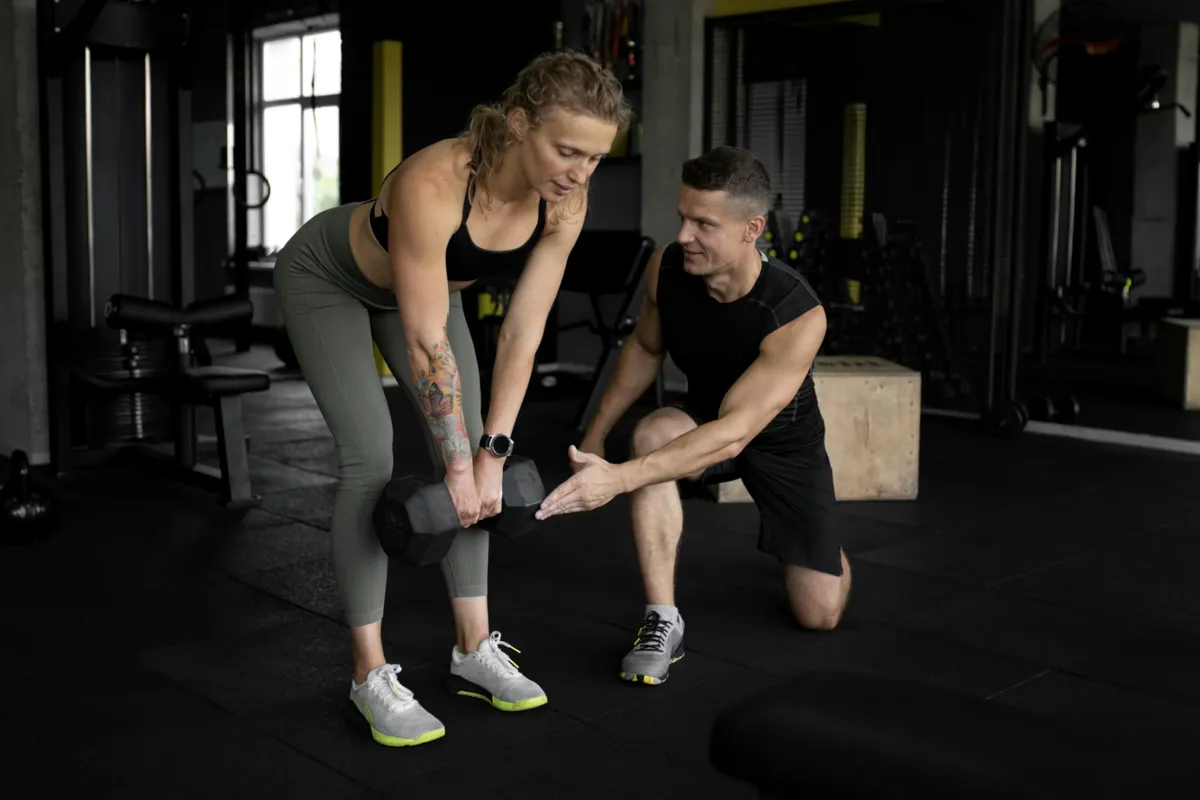
Grip strength is usually the first bottleneck, not pulling strength — chalk or lifting straps can help while you build it up. Most of the gyms above run beginner-friendly sessions or open-gym hours where a coach will spot you on progressions (assisted pull-ups, incline push-ups) rather than throwing you straight at a full movement. Loose, non-restrictive clothing matters more here than in most gym formats, since so much of the training involves hanging and inverting.
Check the current offers page before committing to a membership — several of the gyms above run discounted trial weeks for new members.
Frequently asked questions
Do I need to be strong already to start calisthenics? No. Every movement above has an easier regression — assisted pull-ups, incline push-ups, bent-knee leg raises — and a good coach will start you there regardless of your current strength.
Is calisthenics better than weight training? Neither is objectively better; they build strength differently. Calisthenics emphasises relative bodyweight strength and skill; weight training lets you isolate and overload specific muscles more precisely.
How long does it take to get a pull-up? Most complete beginners take 4–8 weeks of consistent assisted-pull-up progressions, depending on starting bodyweight and upper-body strength.
Can I do calisthenics outdoors instead of in a gym? Yes — many UK parks have outdoor bar setups, but a coached indoor session is usually faster for learning safe technique on harder skills like muscle-ups.