Strength training for beginners: how to start lifting with a coach
What strength training involves, the four ways to start, the five movements every beginner learns, what it costs and nine well-rated UK gyms that coach newcomers.
· Studiomaps-redaktionen
Strength training is the simplest idea in fitness: lift something heavy enough that your body has to adapt, then lift a little more next time. It's also the format that puts beginners off most, mainly because a busy weights floor gives no clue where to start. You don't have to work it out alone. Studiomaps lists 1,613 studios and gyms across the UK with strength training on the timetable, including 261 in London, 42 in Bristol, 34 in Manchester, 26 in Glasgow and 18 in Leeds, and 748 of them publish a way for newcomers to start.
What strength training actually means
Strength training covers any exercise where your muscles work against resistance: barbells, dumbbells, kettlebells, machines, cables or your own bodyweight. What separates it from a general workout is progressive overload: the load, reps or difficulty creep up over weeks so your body keeps adapting.
You'll see a few labels on gym websites:
- Strength and conditioning (S&C): lifting plus fitness work, usually in a coached group.
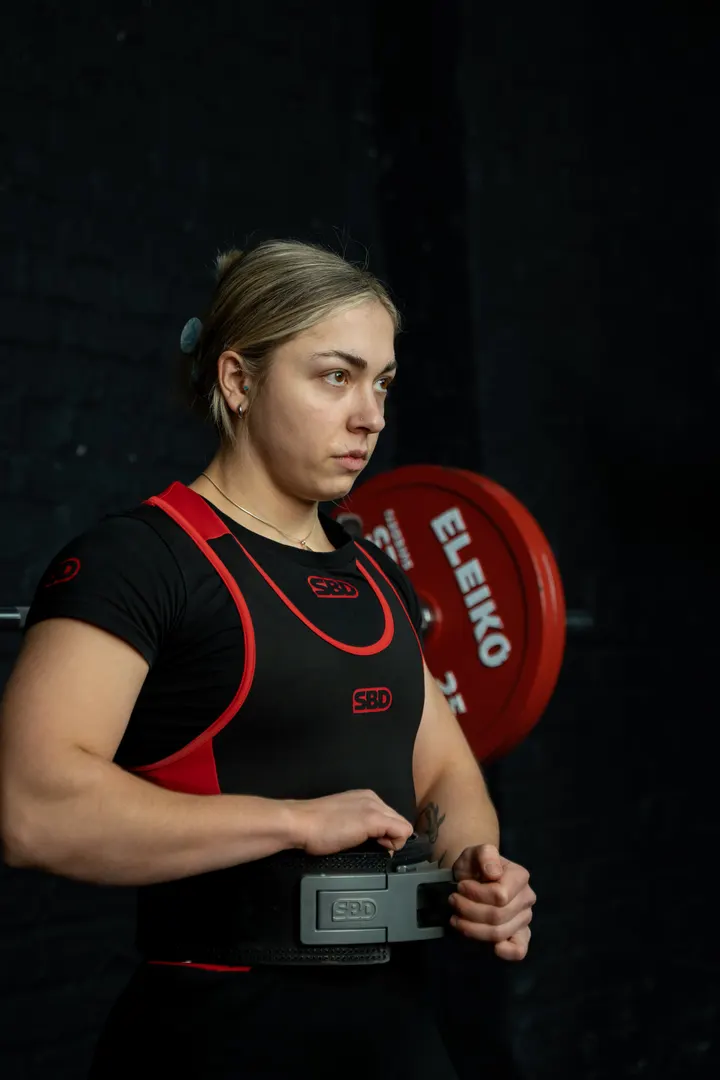
- Powerlifting: the squat, bench press and deadlift, trained for maximum strength.
- Olympic weightlifting: the snatch and the clean and jerk, fast and technical lifts that need coaching.
- Bodybuilding: training for muscle size, with more machines and higher reps.
As a beginner you don't need to pick one. A good first programme borrows from all of them.
Four ways to start
Open gym with an induction. You pay for access and train on your own after a tour. Cheapest, but you need a plan. Specialist strength gyms tend to have better barbells, platforms and racks than a big-box gym, and regulars who'll happily show you the ropes.
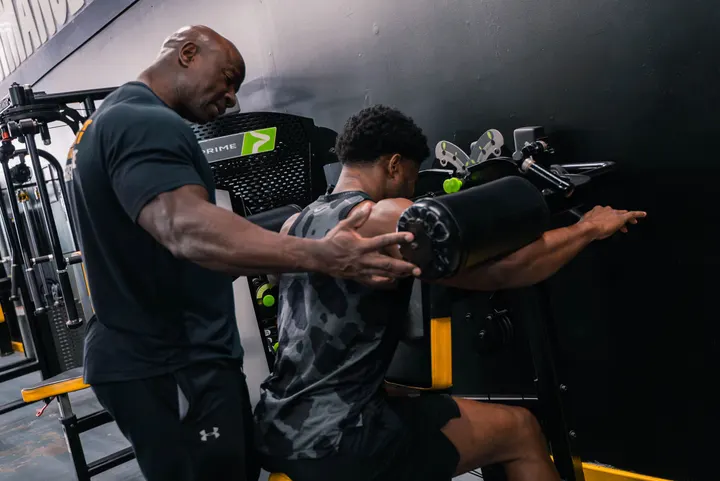
Coached strength classes. A coach runs a structured session for a group, so the programming is done for you and someone watches your form. The easiest way in for most people.
Small-group personal training. A handful of people with one coach, often with a set programme, check-ins and nutrition advice. Dearer than classes, cheaper than one-to-one.
A barbell club. Weightlifting and powerlifting clubs teach the technical lifts properly and often welcome complete beginners.
The movements you'll learn first
Almost every beginner programme is built on five patterns:
- Squat: goblet squats with a dumbbell first, then the barbell back squat.
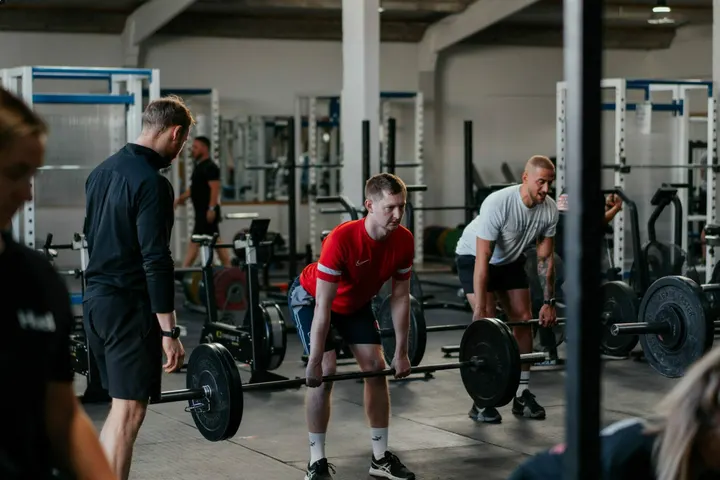
- Hinge: Romanian deadlifts and deadlifts, which teach you to lift from the hips with a flat back.
- Push: press-ups and dumbbell presses, then the bench and overhead press.
- Pull: rows and assisted pull-ups, to balance all the pushing.
- Carry: walking with heavy dumbbells or kettlebells. Simple and brutally effective.
Two or three full-body sessions a week is plenty for the first few months. Finish each set with a couple of good reps left in the tank, and only add weight when the last session felt solid.
Where to start in the UK
These gyms all teach strength training, are highly rated on Google and make it straightforward for beginners to get going.
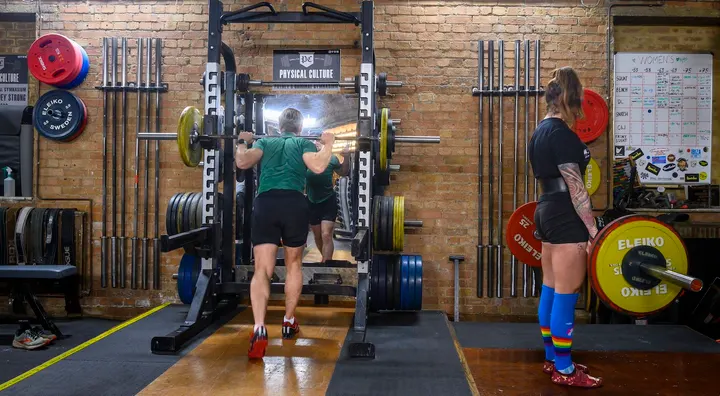
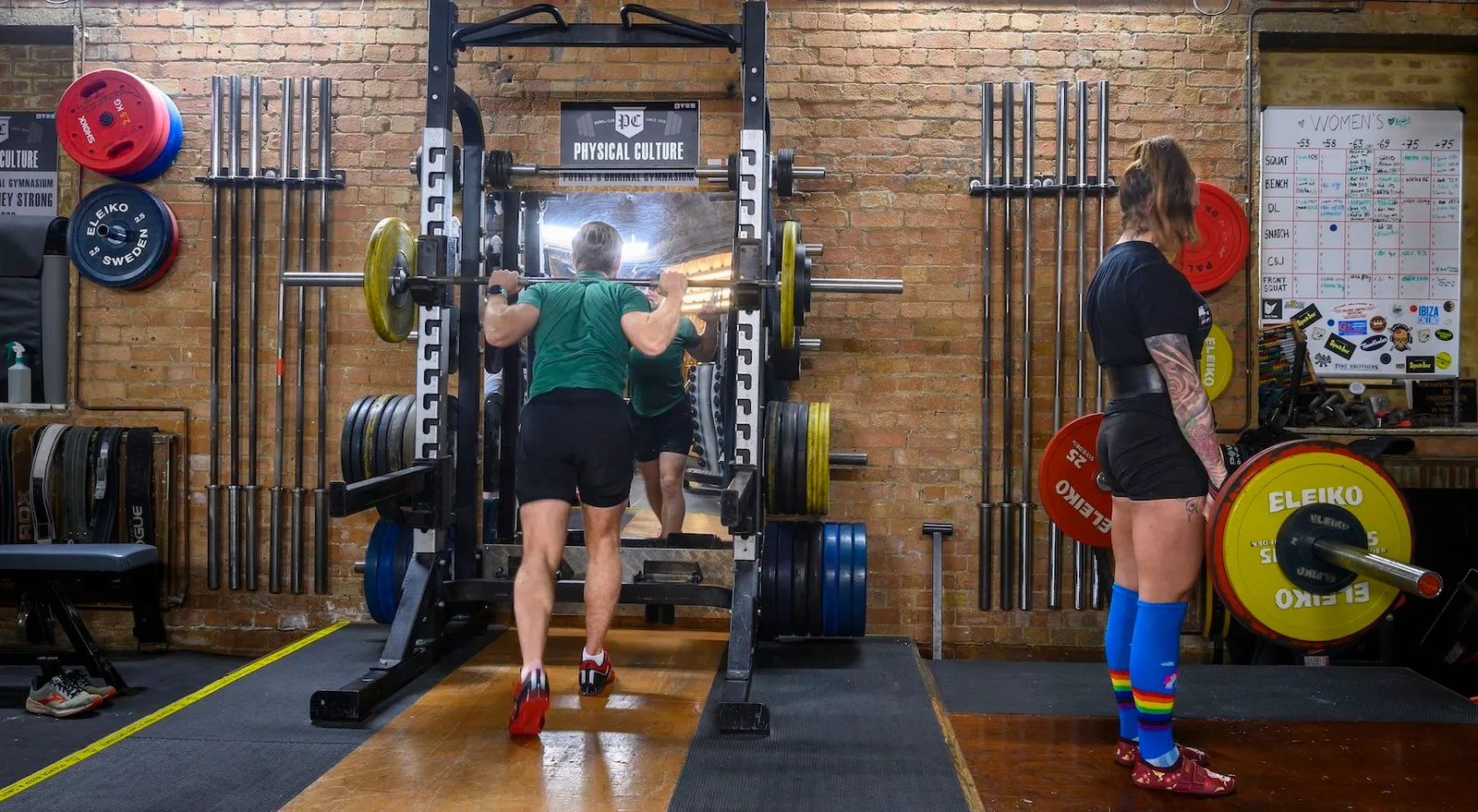
Physical Culture, Putney, London. Founded in 1928 and billed as London's oldest strength and powerlifting gym, a British Powerlifting Approved Club with Eleiko and Rogue kit and weekly group classes for all levels. 707 reviews, average 5.0. A day pass is £20 and a 7-day pass £50.
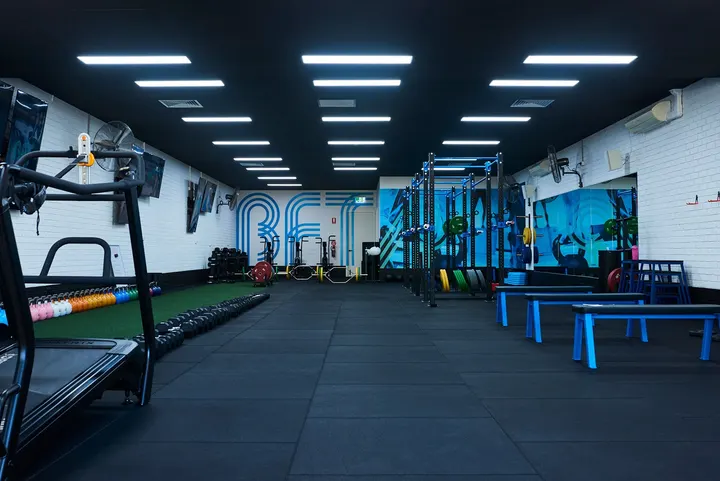
BFT Battersea, Nine Elms, London. A strength and conditioning studio in a railway arch, running 50-minute coached group sessions as part of a structured weekly programme. 246 reviews, average 5.0. The 10-day unlimited taster is £29 and includes a coach consultation.
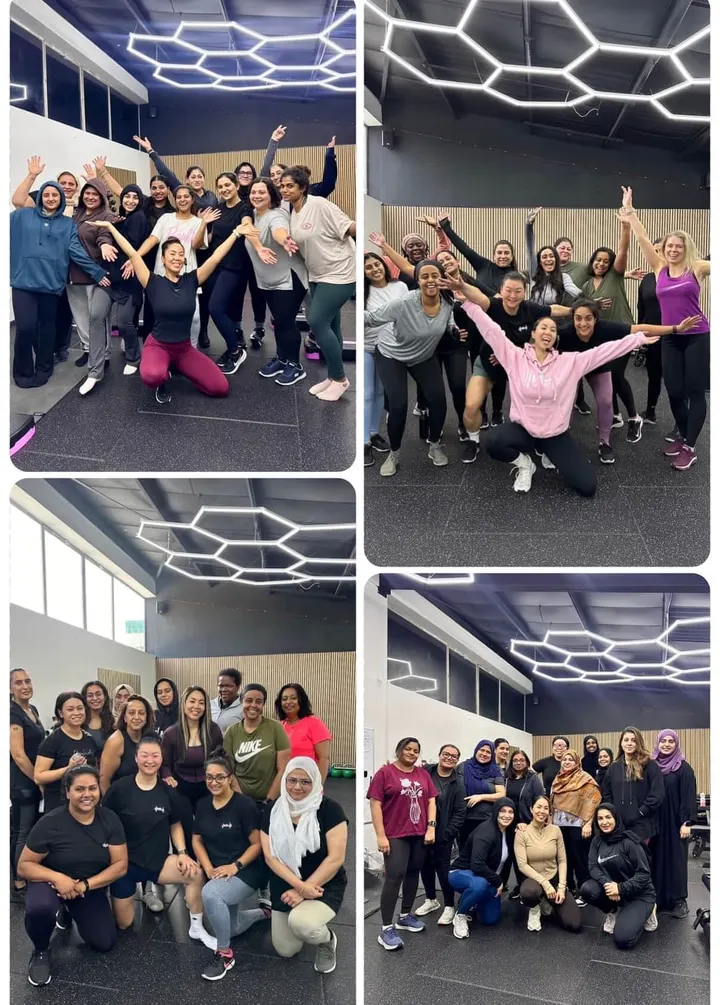
HT FIIT Studio, Ilford, London. A women-only studio built around resistance training, with small-group PT and classes for complete beginners, new mums and anyone returning after a break. 204 reviews, average 5.0. The first session is free, booked via WhatsApp.
GAINZFIT, Leeds. A boutique gym that is never overcrowded, whose Maximize GAINZ group coaching sits between one-to-one training and a class, with free weights, rigs and an astroturf track. 511 reviews, average 5.0.
Frontline Fit Performance Centre, Manchester. One-to-one and 2:1 partner training plus the Strength Camp group programme, focused on fat loss and muscle gain. 392 reviews, average 4.9. Membership is £120 a month on a 12-month contract.
Titan Strength Gym, Leith, Edinburgh. A 4,500 sq ft strength gym open since 2007, with more than 30 barbells, Eleiko platforms and Atlas Stones for powerlifting, strongman and weightlifting. 229 reviews, average 4.9.
Project Strength & Fitness, Craigmillar, Edinburgh. A personal training gym where membership includes a one-to-one induction, three PT sessions and three group sessions a week, plus nutrition coaching. 187 reviews, average 5.0. Start with a free consultation.
Gym66, Cheltenham. A community gym with seven lifting platforms, structured Olympic weightlifting programmes and a coaching team that includes a European Masters Champion, taking everyone from complete beginners to national-level athletes. 229 reviews, average 5.0. New members get a free 14-day trial.
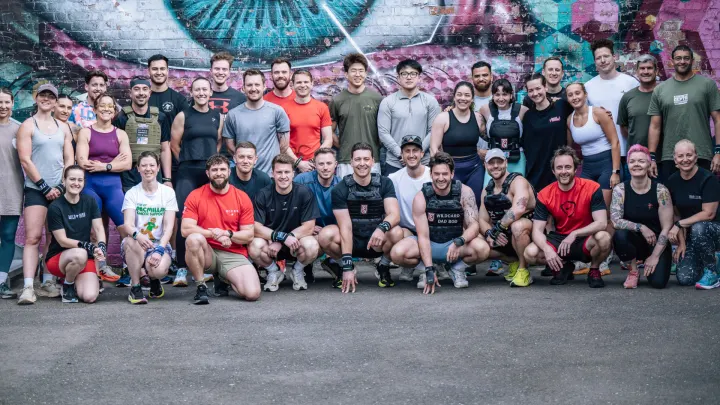
Wildcard Strength and Conditioning, Coventry. Every session is fully coached, with programmes such as Barbell, Build and Mobility. 230 reviews, average 4.9. The first step is a free consultation.
What it costs
The prices these gyms publish show the range. Physical Culture's day pass is £20, its rolling membership £99 a month or £55 a month on an annual contract, and its coached strength classes £99.99 a month. A single BFT Battersea session is £27, so the £29 taster pays for itself in two visits. Small-group coaching costs more: HT FIIT charges £119 a month for 12 group classes and £169 for four small-group PT sessions. The free trials at Gym66, HT FIIT, Project Strength & Fitness and Wildcard let you test the coaching before you spend anything, and new customers can browse the current trial offers on Studiomaps.
Gym or coached studio?
If you're confident and self-motivated, an independent strength gym with an open floor gives you the most kit for your money. If you've never lifted, a coached format will get you further in the first three months, because technique is where beginners lose most time. Our guide to studio or gym goes through that choice in detail, and if lifting inside a timed workout appeals, read CrossFit for beginners.
Find a strength gym near you
Every listing is on the map: strength training in London, Bristol, Manchester, Leeds and Edinburgh.