BJJ for beginners — how to start Brazilian jiu-jitsu and pick a club
Brazilian jiu-jitsu is a grappling art with no strikes, where technique beats size. Here is what the first month looks like and how to choose a club.
· Studiomaps-redaktionen
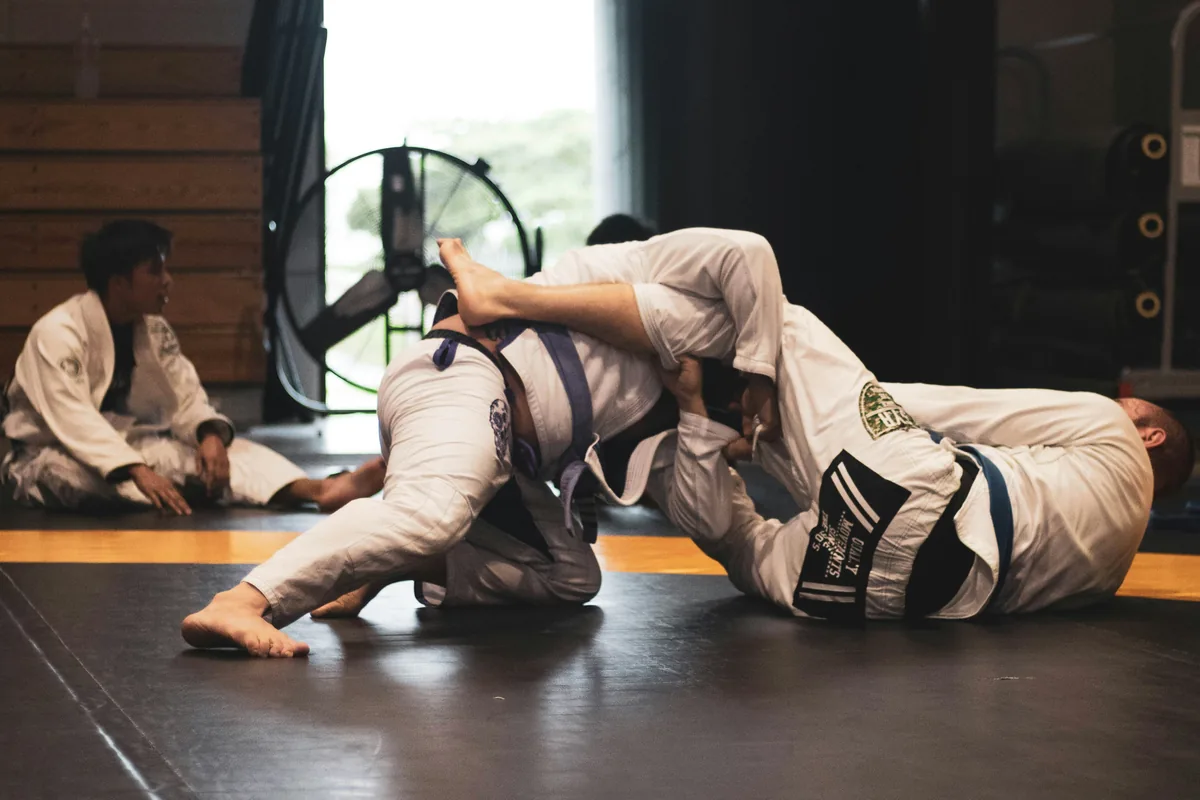
Brazilian jiu-jitsu has become the martial art adults are most likely to start — and stick with — in their thirties and forties. There is no punching or kicking: the aim is to control your opponent on the ground and win with a joint lock or choke. Studiomaps lists 497 clubs teaching BJJ across the UK, with London far ahead (94), followed by Manchester (12), Bristol (11), Liverpool and Nottingham (8 each).
If you haven't settled on a discipline yet, start with martial arts for beginners, which compares the main options side by side. This guide goes deeper on BJJ.
What BJJ actually is
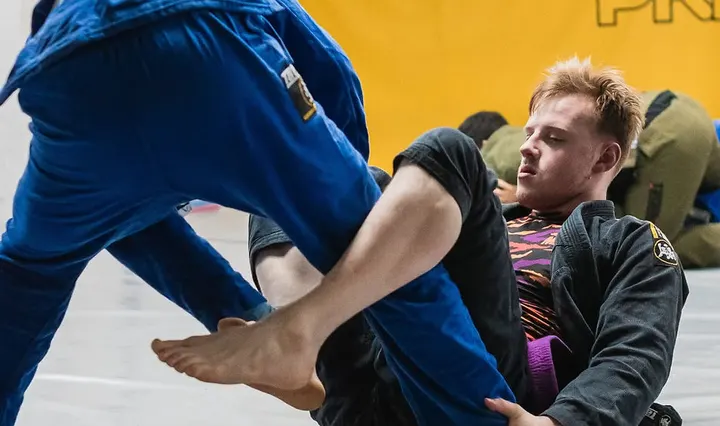
BJJ grew out of judo in Brazil in the early twentieth century. Most of the training happens on the floor: you learn positions (guard, mount, side control), how to move between them and how to finish. When you're caught in a hold you can't escape, you tap — on your partner or the mat — and the round stops. That built-in off switch is what lets you train against full resistance safely.
It also means technique matters more than size. An experienced 60 kg player will control a 90 kg beginner with very little effort, which is a large part of the appeal.
Gi or no-gi?
Gi is the traditional suit, and you can grip the jacket and trousers — the game is slower and more tactical. No-gi is trained in shorts and a rash guard, faster and closer to wrestling and MMA. Most clubs run both. As a beginner, don't overthink it: train whichever fits your timetable. If the club teaches gi, many will lend you one for your first sessions.
What your first month looks like
- Weeks 1–2: Fundamental positions, how to fall safely and how to escape bad positions. You'll be tired in a way the gym never made you.
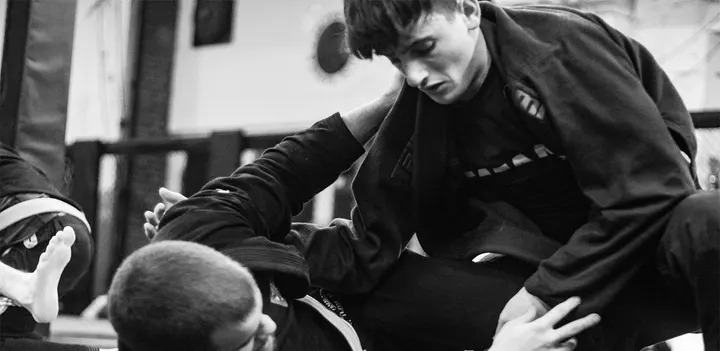
- Weeks 3–4: Positional sparring — short rounds starting from a set position. This is usually when people get hooked.
- After a couple of months: Open sparring ("rolling"), always with the option to tap.
Expect sore fingers, neck and forearms early on. Wash your kit after every session — hygiene matters in a sport with this much contact.
Five things to check before you join
1. A fundamentals or beginners' class. It makes the first weeks dramatically safer and less intimidating.
2. The culture on the mat. Ask to watch a class. Senior students should look after newcomers, not try to beat them.
3. The coach. Look for a brown or black belt with real experience teaching adult beginners.
4. Timetable fit. Two sessions a week you actually attend beat five you don't.
5. A free trial. Almost every club offers one — see how to book a trial class.
Clubs worth a look
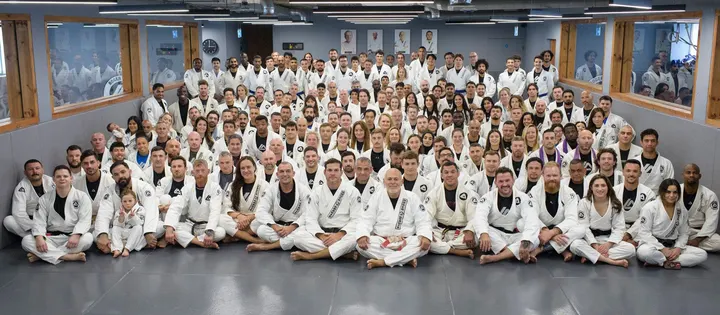
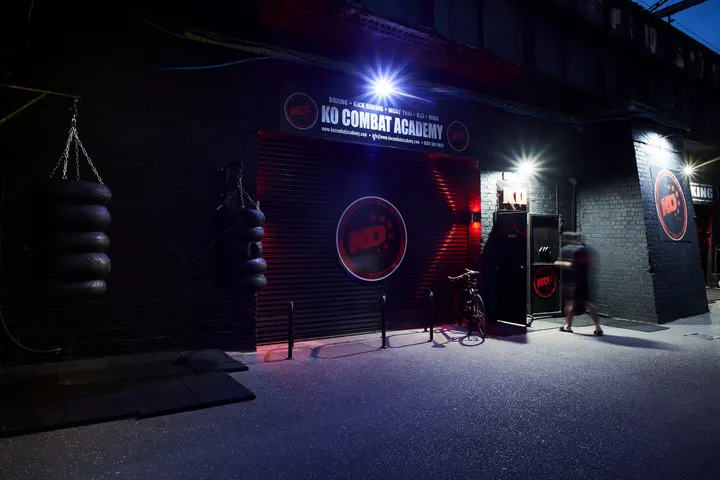
London. Roger Gracie Academy HQ was founded by the ten-time world champion and is one of the best-known BJJ academies in the country. North12 Martial Arts Academy in North Finchley is a purpose-built dojo, and KO Combat Academy in Stepney is a community-focused gym in East London. Every club is listed under BJJ in London.
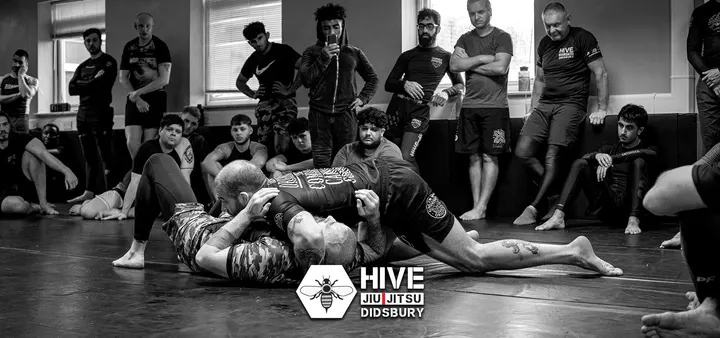
Manchester. Roger Gracie Jiu Jitsu Salford runs structured classes for kids and adults, Predators MMA and BJJ Academy describes itself as beginner-friendly, and Hive Jiu Jitsu in Heaton Mersey welcomes complete beginners. See BJJ in Manchester.
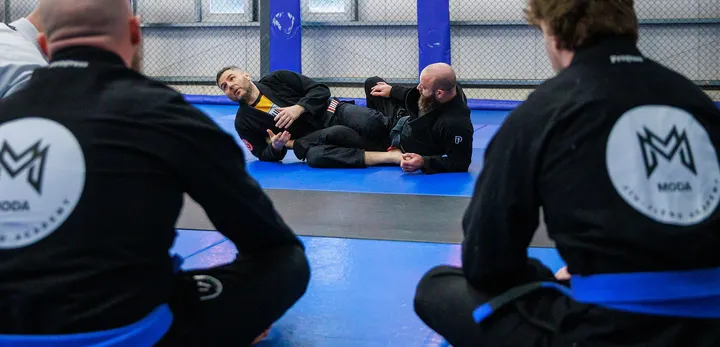
Bristol. Bristol Dojo is a 6,000 sq ft combat sports gym, and Moda Jiu Jitsu Academy sits on the Bath–Bristol border. More under BJJ in Bristol.
The full UK list is at BJJ in the UK.
Getting started
Book a trial, bring water and a T-shirt you don't mind stretching, and give it at least four sessions before you decide. Several clubs run intro deals for new members — the live ones are collected on our offers page. If striking appeals more than grappling, read boxing vs kickboxing next.