What is boutique fitness, and why is it growing in London?
Boutique fitness means small, specialised studios instead of a big multi-purpose gym. Here's what sets them apart, with real London examples.
· Studiomaps-redaktionen
<nav>Guides → What is boutique fitness</nav>
"Boutique fitness" describes small, single-focus studios rather than the big multi-purpose gyms most of us grew up with. The word borrows from retail — a boutique is a small, specialised shop rather than a department store — and the same idea has moved into fitness: smaller classes, sharper specialisation, and a more curated experience.
What actually makes a studio "boutique"
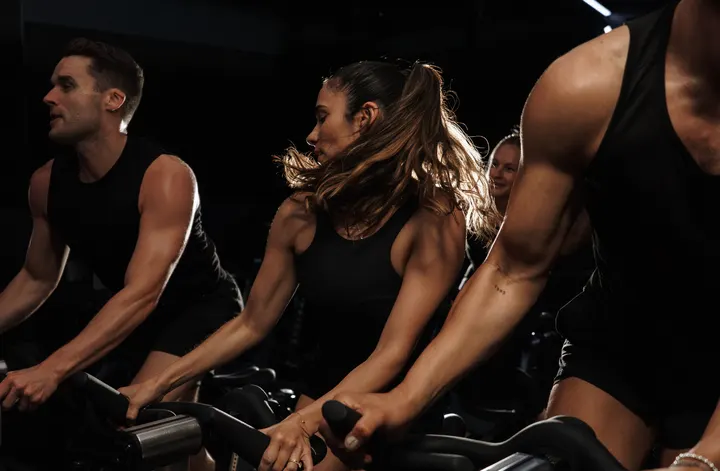
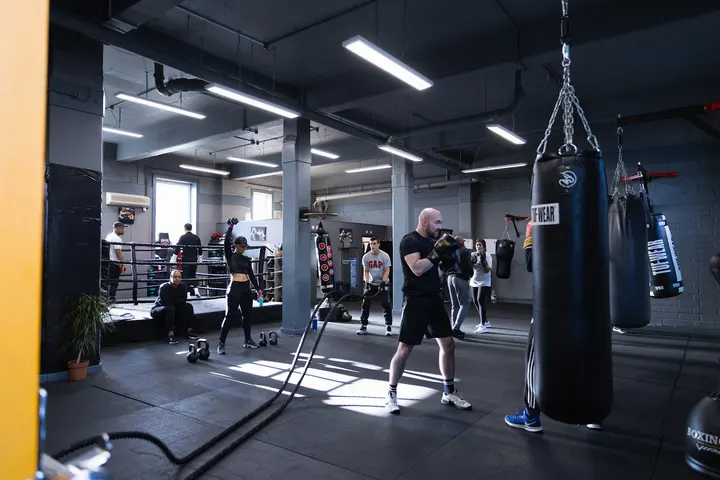
Three things tend to define it: class sizes of roughly 8–20 people rather than a gym floor of hundreds, an instructor who focuses on one or two formats — reformer Pilates only, or purely functional training — rather than everything under one roof, and pricing built around class packs or single drop-ins rather than one flat monthly membership. Most boutique studios also run tight online booking for a specific time slot, which suits an irregular schedule better than a gym's walk-in-anytime model.
London examples
London has one of the densest boutique fitness scenes in Europe, and it's easy to see the pattern in practice:
- Psycle Oxford Circus describes itself directly as "London's premium boutique fitness community", running seven studios across the city with a small-class, single-format approach.
- nue | ground in Clapham blends a boutique studio with a wellness café-bar — a good example of how far the format has moved from the old commodity gym model.
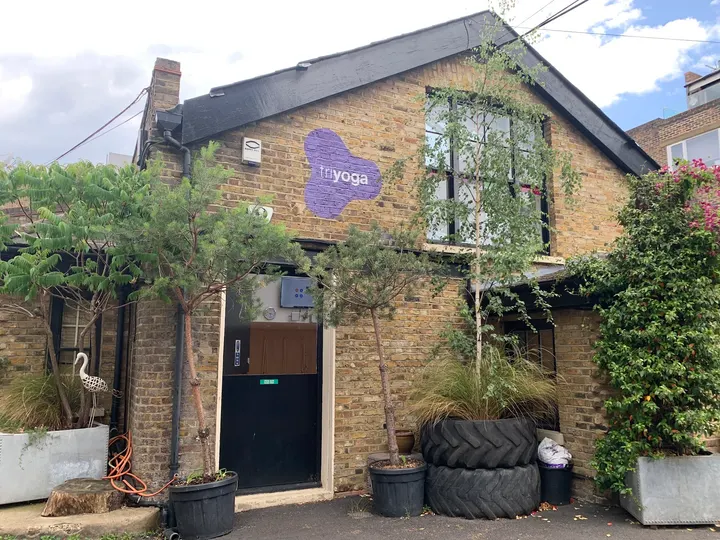
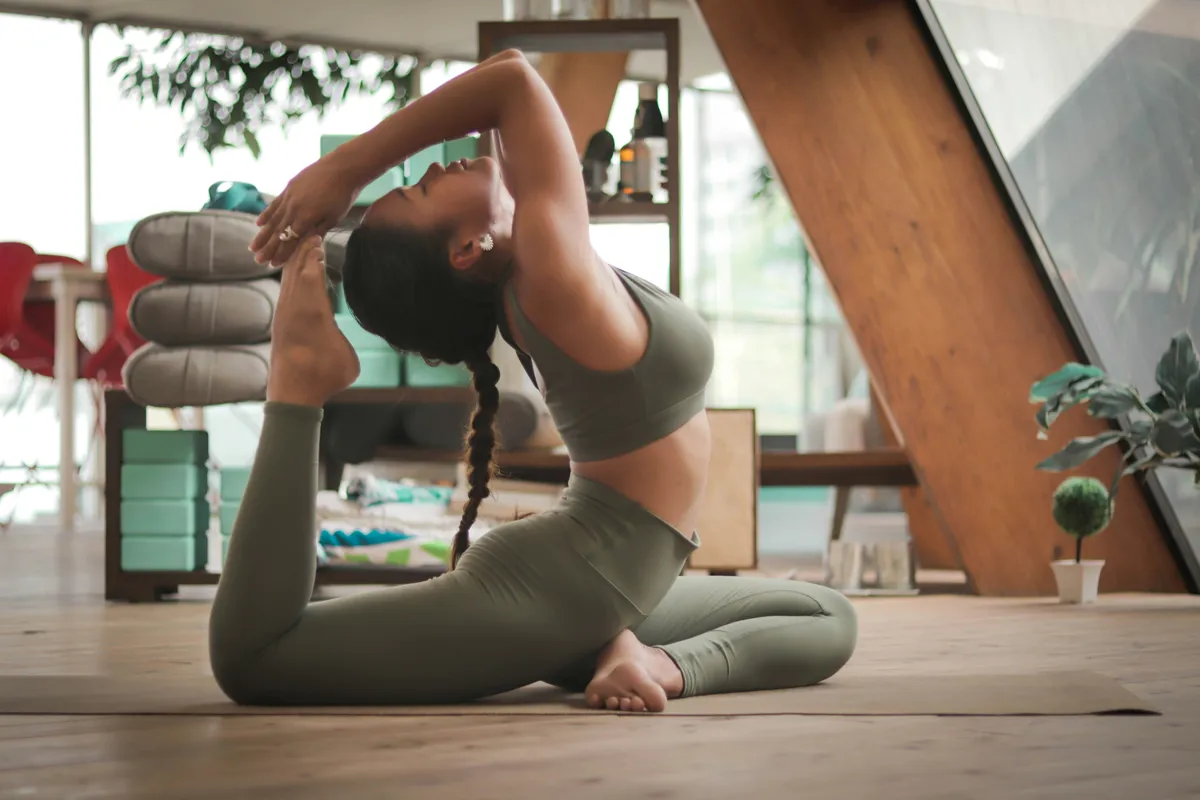
- triyoga Camden has run as a dedicated yoga destination since 2000, long before "boutique" became the industry term for it.
- Topnotch Gyms Soho and Park View Health Clubs both position themselves explicitly as boutique operators within a premium health-club format.
Browse the full range of fitness studios in London or compare with our reformer Pilates guide if a specific format is what you're after.
Boutique studio vs. a big gym
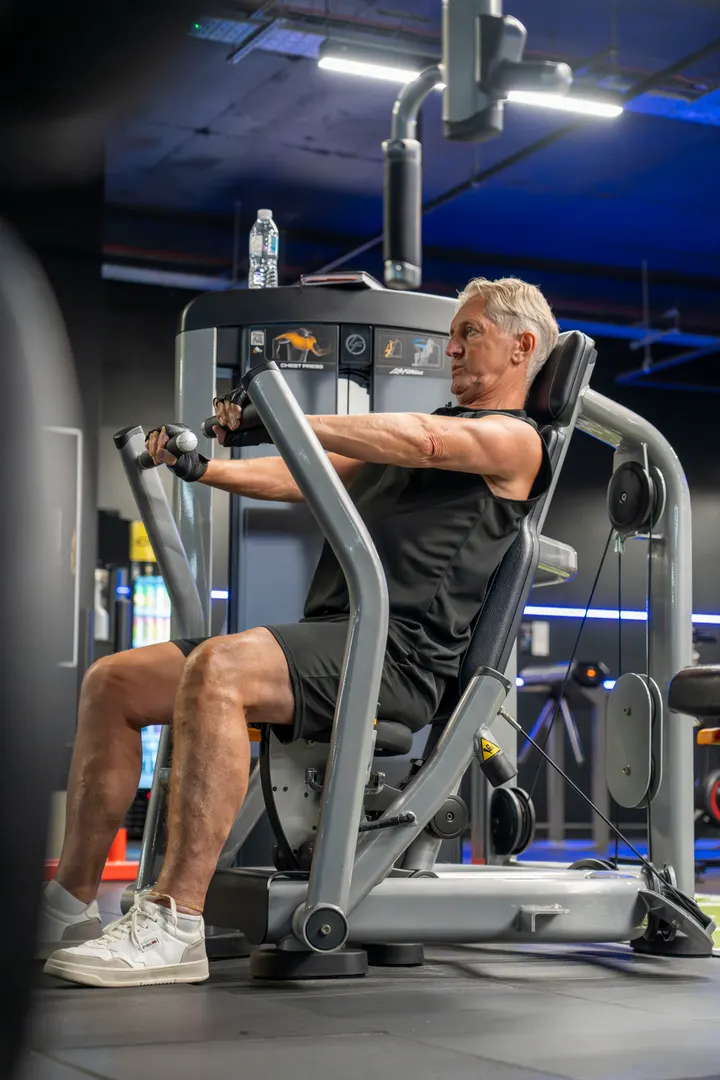
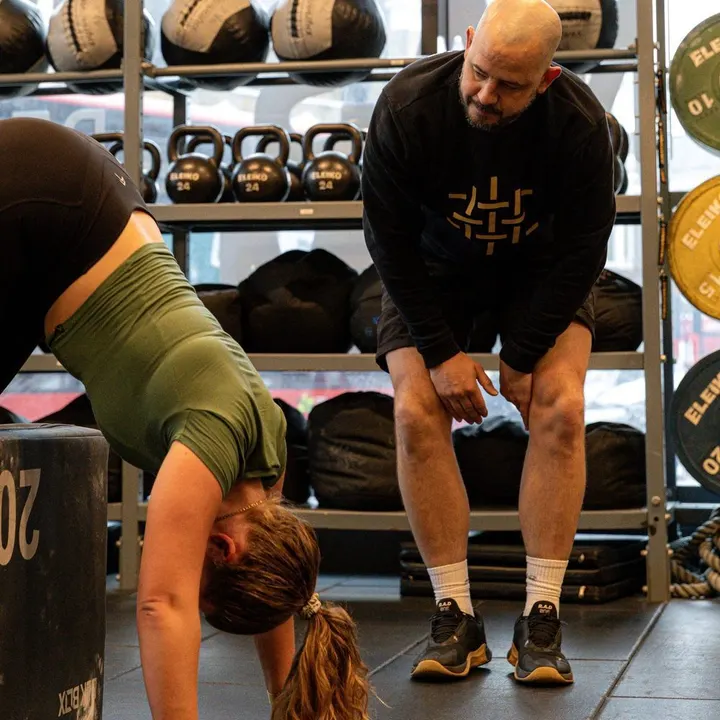
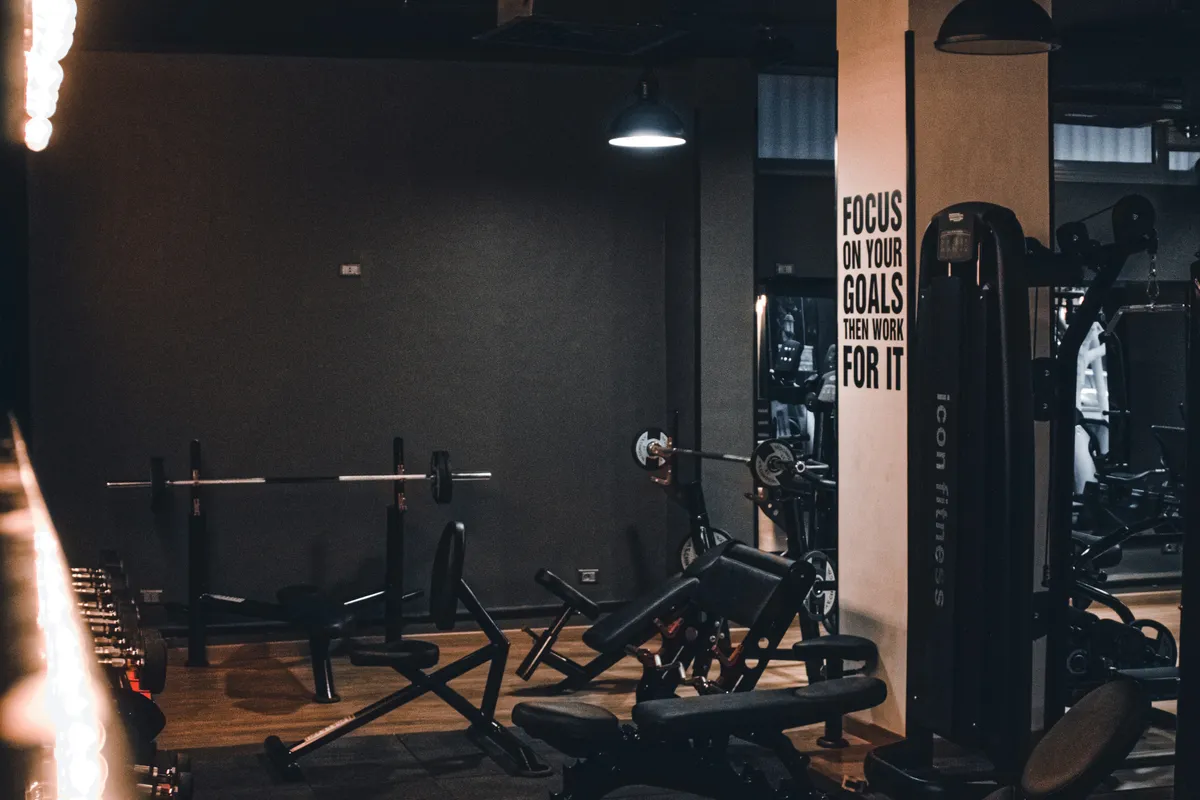
A big gym wins on price and flexibility — one monthly fee, walk in any time, use whatever equipment you like. A boutique studio wins on instruction quality and community: in a small class, an instructor actually corrects your form, and regulars tend to recognise each other week to week. Which one suits you depends on whether you value flexibility or focused coaching more — see our guide on how to choose the right fitness studio for a fuller comparison.
Why it's growing
Two things are driving the growth: specialised equipment like reformer machines has become cheaper and more widely available, and demand has shifted toward experience-led workouts rather than repeating the same machine circuit. London was an early adopter of this shift, and the format keeps expanding into new categories — HYROX, reformer Pilates, and boutique strength training are the fastest-growing corners of it right now.
Check Studiomaps' offers page for current first-class deals — several boutique studios run discounted intro offers for new members.
FAQ
Is boutique fitness more expensive than a regular gym? Per class, usually yes — but you're not paying for equipment or floor space you'll never use, which a big gym's monthly fee covers regardless.
Is boutique fitness suitable for beginners? Often more so than a big gym — in a small class, an instructor notices your form and can correct it directly.
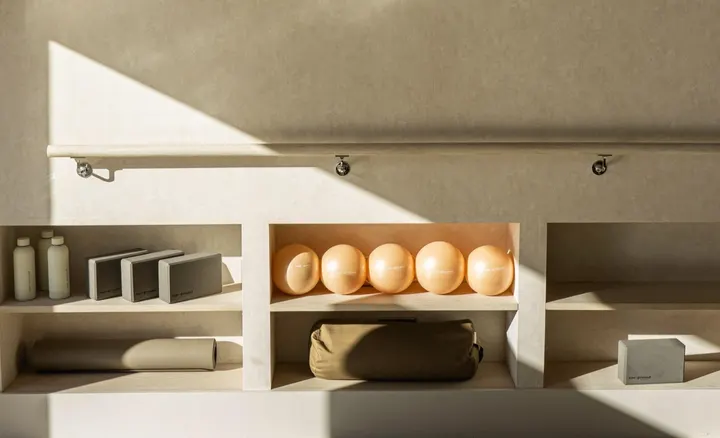
Do I need my own equipment? Usually not. Most boutique studios provide everything you need, from weights to reformer machines, on site.
Can I combine a big gym membership with boutique classes? Absolutely — many people keep a gym membership for flexible strength training and add boutique classes for specialised formats like reformer Pilates or HYROX.