Yoga styles explained — which one is right for you?
Vinyasa, hatha, yin, ashtanga, rocket, Iyengar, hot. Every label on a UK timetable is a promise about pace, heat and props — here is what each one actually means, and the studios doing them properly.
· Updated · The Studiomaps editorial team
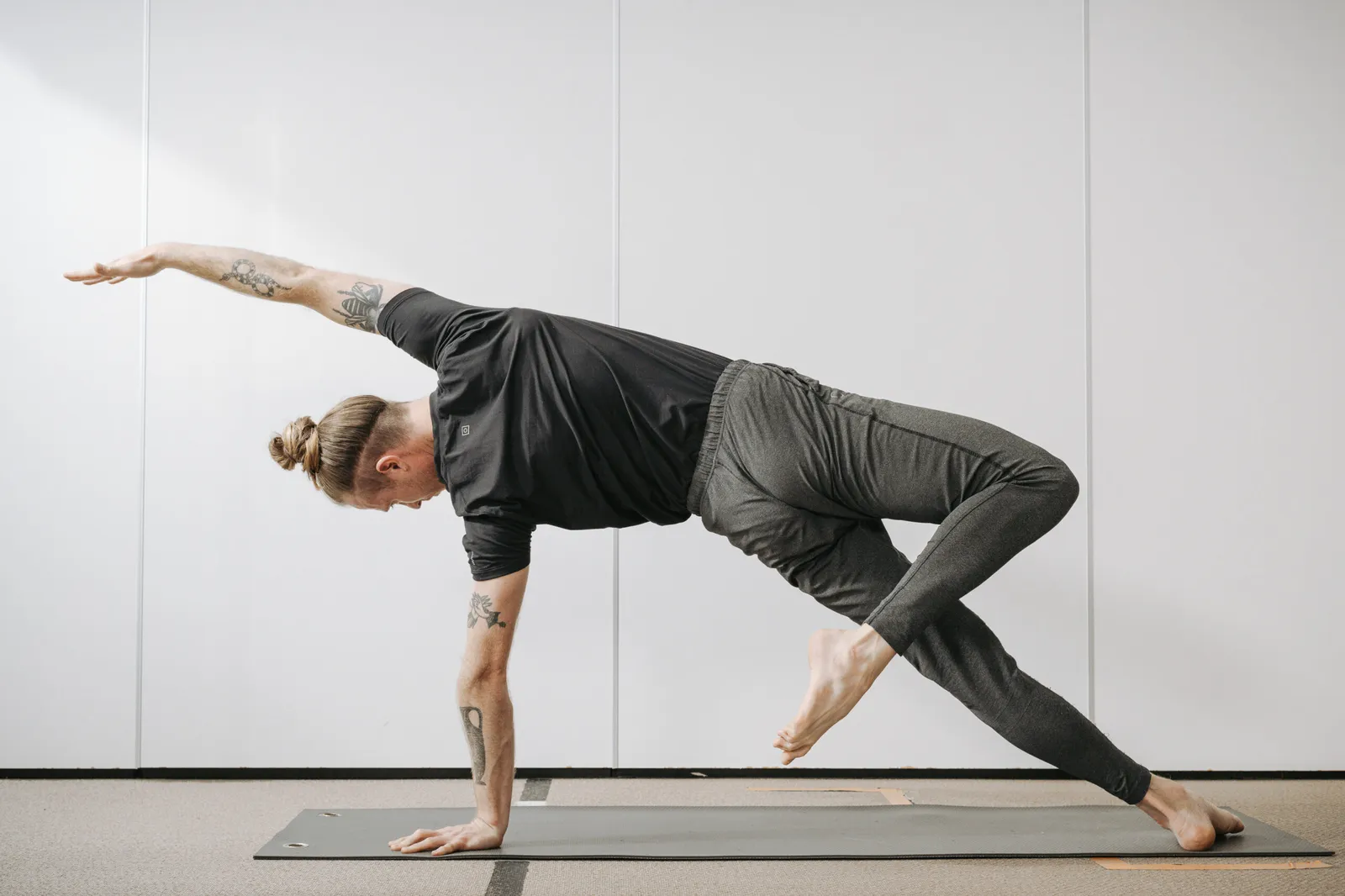
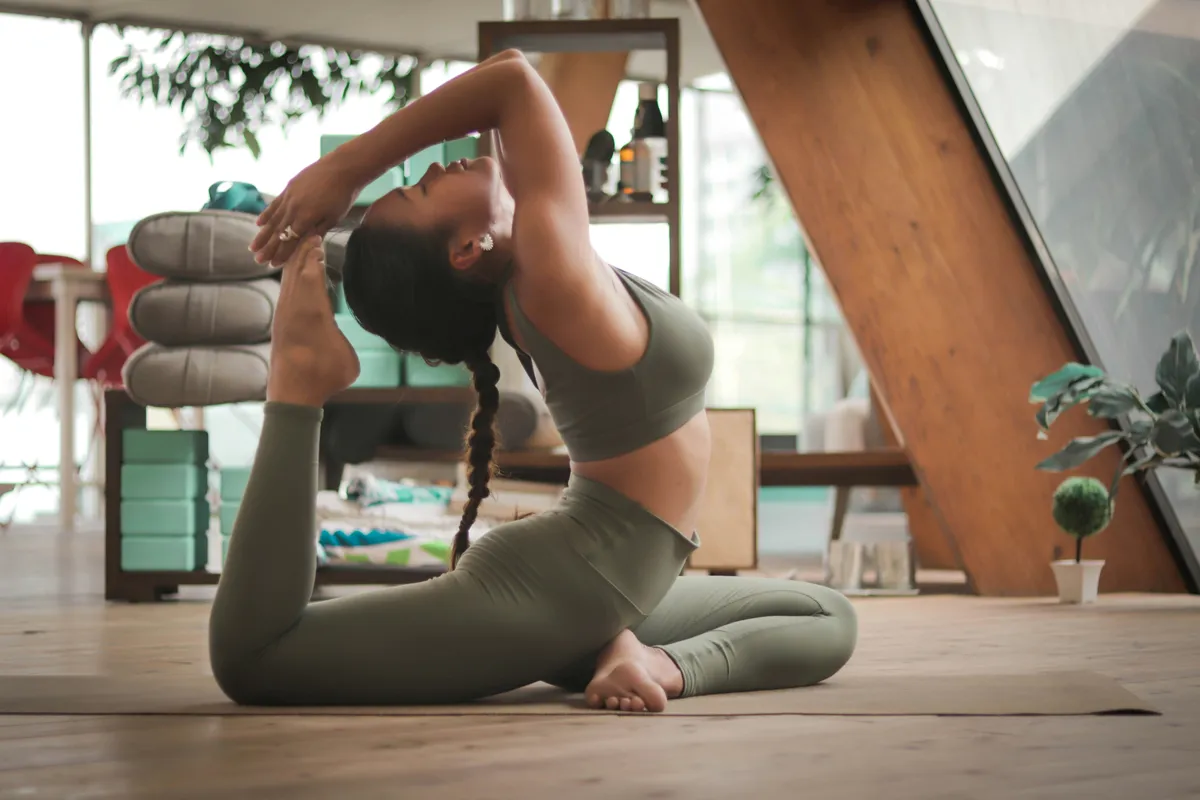
Open any UK studio timetable and you will meet eight different words for what looks like the same thing: a mat, a room, an hour. The words are not decoration. Each style is a promise about pace, heat, props and how much the teacher will talk. Book the wrong one for your first class and you will walk out convinced yoga "isn't for you", when in fact you just booked a 90-minute Ashtanga primary series on a Tuesday night.
Here is what the labels actually mean.
What British studios actually teach
We read the studio descriptions we hold for 1,119 UK yoga studios to see which styles get named. The shape of the market is clear: yin (204 studios) and vinyasa (203) are the two most-mentioned styles, closely followed by heated classes (185) and hatha (160). After that it drops off fast — restorative 98, ashtanga 88, rocket 25, kundalini 21, and just 18 studios anywhere in the country naming Iyengar.
The practical translation: walk into a random British studio and you will almost certainly find a flow class and a slow class. The lineage styles you have to go looking for.
Vinyasa — the default flow class
Breath linked to movement, sequences that change every week, usually a playlist. Vinyasa is the closest thing yoga has to a standard class, which is exactly why quality varies so much: a good vinyasa teacher builds towards something, a lazy one just keeps you moving. Expect to sweat, expect chaturangas, expect no props.
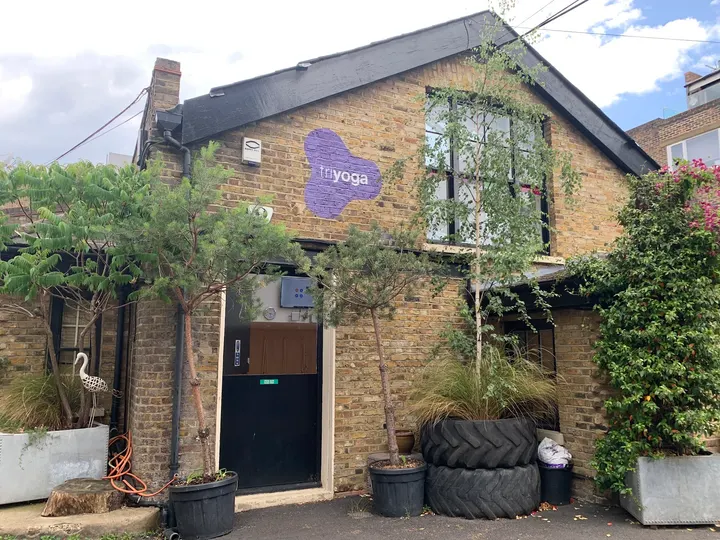
If you want one room that lets you sample everything before committing, triyoga - Camden runs over 500 classes a week spanning warm flow, Ashtanga, Rocket, yin and nidra — the single broadest timetable we list in the UK. In Bristol, Bloom Yoga Bristol covers vinyasa, ashtanga, yin, restorative and nidra out of one Ashley Down studio.
Hatha — slower, held, unfashionable, useful
On a UK timetable "hatha" nearly always means the same postures as vinyasa, held longer, with more instruction and less flow. It is the best entry point for anyone who wants to actually learn the shapes rather than chase them. Small classes matter more here than anywhere else: Hello Studio in Islington caps sessions at twelve people across vinyasa, hatha, Iyengar, yin and restorative, which is roughly the whole spectrum in one North London room.
Ashtanga — the fixed sequence
Same postures, same order, every time. That repetition is the point: progress is measurable because the yardstick never moves. It is physically demanding, traditionally practised early and often self-led ("Mysore style"), and it is not a good first-ever class. It is an excellent second month.
Rocket — Ashtanga that stopped taking itself seriously
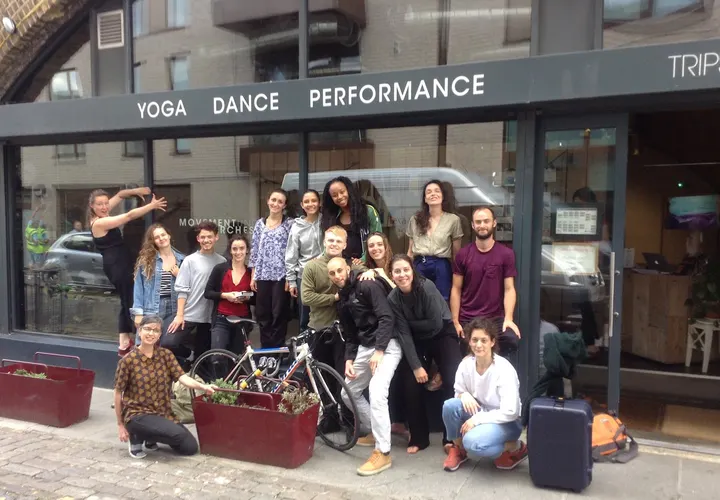
A 1980s Californian adaptation of the Ashtanga sequence: same DNA, reordered, faster, with the arm balances and inversions brought forward so beginners get a go rather than waiting years. Only about 2% of UK studios name it, which makes it worth travelling for. TRIPSPACE in London runs Rocket alongside vinyasa, yin and a contemporary dance programme; in Manchester, Yoga Soul - Northern Quarter pairs Rocket with Dharma and Mandala Vinyasa.
Iyengar — precision and props
Alignment-obsessed, prop-heavy, slow. Blocks, belts, bolsters and chairs are used to get your body into the right shape rather than an approximate one. Teachers train for years and the certification is genuinely rigorous. If you are managing an injury, hypermobility or a body that does not fold the way Instagram suggests, this is the style that will take you seriously — and with only 18 UK studios naming it, a dedicated one like Yoga Metta - Leeds is a rare thing.
Yin and restorative — the two slow classes, and they are not the same
Yin holds floor postures for three to five minutes to load connective tissue. It looks passive and is not comfortable. Restorative props you up so nothing loads at all, and the goal is downregulation, not stretch. Yoga nidra is not a posture class at all — it is guided rest, lying down, and 42 UK studios list it. Booking yin when you wanted restorative is the most common mismatch we see. Sadhana Yoga & Wellbeing Studio London (Clapham) runs yin, vinyasa, heated and restorative sessions from one South London site, which makes it a cheap way to test the difference.
Hot yoga — the number on the thermostat is the whole story
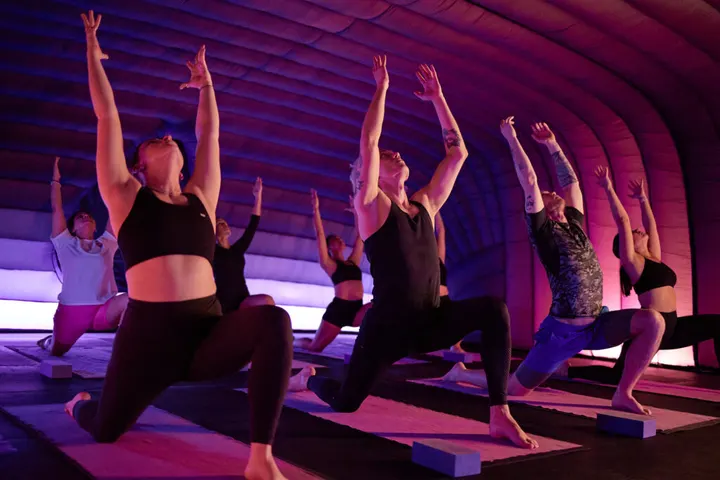
"Hot" is not one thing. Classic Bikram runs 40°C with 40% humidity for 90 minutes and a fixed 26-posture sequence. Most modern British hot classes are gentler and shorter. Yoga's Got Hot in Edinburgh runs its purpose-built room anywhere from 22°C to 35°C depending on the class, so you can start warm rather than hot. At the other end, Hotpod Yoga Glasgow heats inflatable pods to 37°C with scent and low light — an unusually good first hot class, because the pod is dark and nobody can see you. Always check the temperature before booking, not the word.
Kundalini and Jivamukti — the philosophical outliers
Kundalini uses repetitive movement, breathwork, mantra and meditation; Jivamukti combines vigorous vinyasa with chanting, scripture and a vegetarian ethic. Both are strongly teacher-dependent and both are rare here — 21 and 6 UK studios respectively. SPACE Yoga Studio in Brighton is unusual in running both alongside detox flow, yin, pregnancy yoga and nidra.
So which one should you book?
If you have never done yoga: hatha or a beginners' vinyasa. If you sit at a desk and feel tight: yin, twice a week. If you want your heart rate up: vinyasa or rocket. If something hurts: Iyengar. If you cannot switch off: restorative or nidra. If you are cold all winter: hot.
Then commit for a month rather than judging a style on one class — 591 of the UK yoga studios we list run a first-timer intro offer, usually a two- or three-week unlimited pass, which is exactly the right length of time to find out. You can see the current ones on the UK offers page, and browse the full timetable spread on the London yoga and Bristol yoga pages.
Still deciding between disciplines rather than styles? Read Pilates or yoga: which one should you choose? — or, if what you actually want is to hit something, the best boxing gyms and studios in London.
Curious about hot yoga specifically? Read hot yoga — how it actually works before you book your first heated class.